

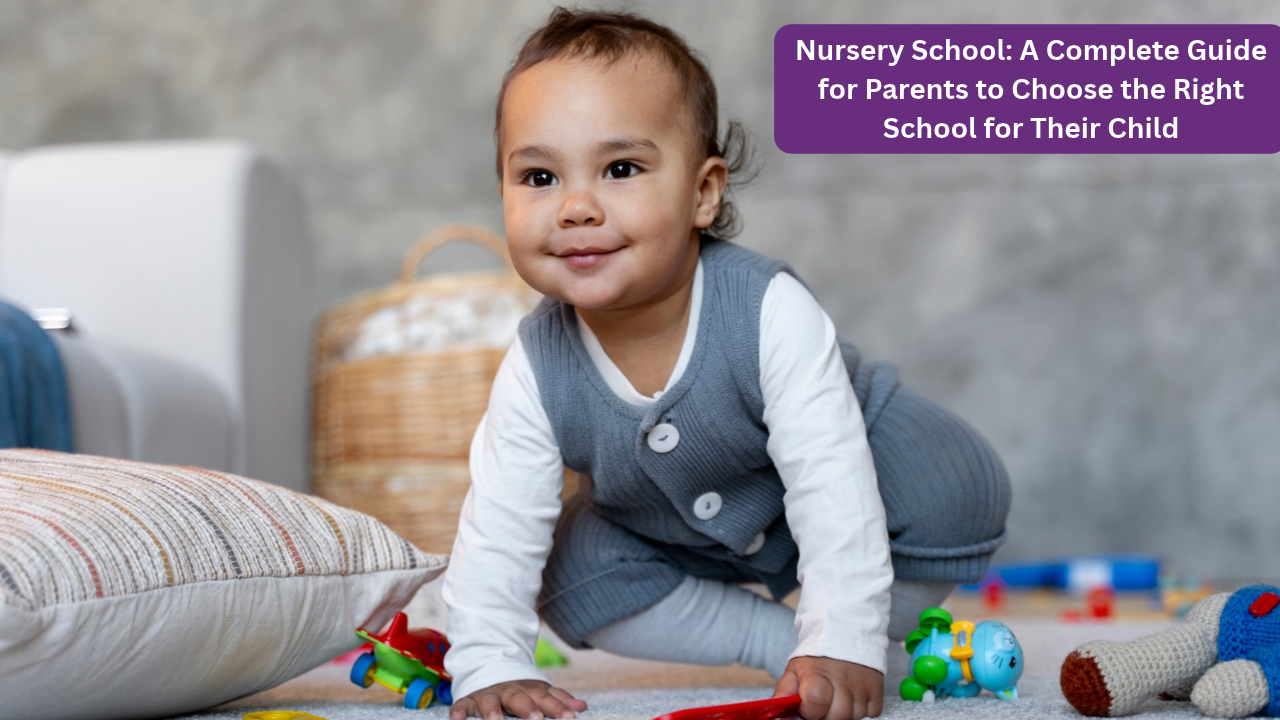
Nursery education provides children with their first structured learning experience outside the home. It helps them develop communication skills, social confidence, creativity and independence through fun and engaging activities.
A good nursery school creates a welcoming environment where children feel comfortable exploring, learning and making new friends. With several options available, parents should understand what makes a nursery school suitable for their child’s individual needs.
In this guide, we will explore the importance of nursery education, essential facilities, learning methods and practical tips to help parents make an informed decision.
What Is a Nursery School?
A nursery school is an early childhood education centre designed to prepare young children for formal schooling. It focuses on developing essential skills through play-based learning, interactive activities, storytelling, music, art and group participation.
Unlike traditional classrooms that focus heavily on textbooks, nursery education encourages children to learn through experiences and exploration.
Most nursery programmes cater to children around 3–4 years of age, although admission age requirements may vary depending on the school and its curriculum.
Why Is Nursery Education Important for Children?
The early years play a significant role in a child’s overall development. A quality nursery programme supports different areas of growth.
- Develops Social Skills
Children learn to interact with classmates, share toys, participate in group activities and build friendships. These experiences help them understand cooperation and respect.
- Improves Communication Skills
Storytelling, rhymes, conversations and role-playing activities encourage children to express their thoughts and communicate confidently.
- Builds Early Academic Skills
Nursery education introduces children to basic concepts such as alphabets, numbers, shapes, colours and patterns through enjoyable learning activities.
- Encourages Creativity
Drawing, painting, music, dancing and craft activities allow children to explore their imagination and express themselves.
- Promotes Independence
Children gradually learn everyday activities such as organising their belongings, following instructions, eating independently and maintaining basic hygiene.
What Should Parents Look for in a Good Nursery School?
Selecting the right nursery school requires more than comparing fees and distance. Parents should evaluate the school’s learning environment, teaching approach, safety standards and staff experience.
Here are some important factors to consider.
- Safe and Child-Friendly Infrastructure
Choose a school with clean classrooms, child-friendly furniture, safe play areas, proper ventilation and secure entry and exit arrangements.
- Experienced and Caring Teachers
Teachers should understand early childhood development and provide individual attention. Their behaviour, patience and communication style play an important role in making children comfortable.
- Play-Based Learning Curriculum
Look for a nursery school that combines academic readiness with creative and practical activities. Children should have opportunities to learn through exploration rather than memorisation.
- Hygiene and Cleanliness
Clean classrooms, sanitised toys, hygienic washrooms and proper food-handling practices are essential for maintaining a healthy environment.
- Parent Communication
Regular updates about classroom activities, learning progress, behaviour and daily routines help parents stay connected with their child’s development.
- Indoor and Outdoor Activities
A balanced nursery programme should include physical activities, creative sessions, music, storytelling and outdoor play to support overall development.
What Do Children Learn in Nursery School?
A well-structured nursery curriculum focuses on developing foundational skills across different learning areas.
|
Learning Area |
Activities and Skills |
| Language Development |
Alphabets, rhymes, storytelling and vocabulary |
|
Early Mathematics |
Numbers, counting, shapes and patterns |
| Creative Development |
Drawing, painting, colouring and crafts |
|
Physical Development |
Running, jumping, balancing and coordination |
| Social Development |
Sharing, teamwork and communication |
|
Environmental Awareness |
Animals, plants, seasons and surroundings |
| Life Skills |
Personal hygiene and everyday independence |
These activities help children develop curiosity and confidence while preparing them for kindergarten and future academic learning.
Play-Based Learning: The Foundation of Nursery Education
Play-based learning is one of the most effective approaches to early childhood education. It allows children to understand new concepts through hands-on experiences.
For example, building blocks can introduce shapes and basic mathematics, while storytelling helps improve vocabulary and listening skills.
Some popular play-based learning activities include:
- Sensory Play: Exploring different textures, colours and materials.
- Role Play: Learning through pretend cooking, shopping and everyday situations.
- Art and Craft: Improving creativity and fine motor skills.
- Music and Movement: Developing rhythm, coordination and listening abilities.
- Outdoor Play: Encouraging physical fitness and teamwork.
- Storytelling: Building imagination and language skills.
A good nursery school combines these activities with structured learning objectives to make education enjoyable and meaningful.
Nursery School Admission: What Parents Should Know
Before applying for admission, parents should understand the school’s eligibility criteria, admission process and fee structure.
Here are some common steps:
- Research nursery schools in your preferred locality.
- Check the minimum age requirements.
- Visit the school and observe the classrooms.
- Understand the curriculum and daily schedule.
- Ask about teacher qualifications and safety arrangements.
- Review the admission fees and other charges.
- Complete the application and documentation process.
It is always advisable to visit the school personally before making a final decision.
Nursery School vs Preschool: What Is the Difference?
Parents often use the terms nursery school and preschool interchangeably. Both provide early childhood education, although their programme structures may differ.
|
Nursery School |
Preschool |
| Often refers to a specific early learning level |
A broader term for early childhood education |
|
Usually caters to children around 3–4 years |
May include playgroup, nursery and kindergarten |
| Focuses on foundational learning |
Focuses on overall early childhood development |
|
Prepares children for the next school level |
Prepares children for formal schooling |
Both aim to develop children’s communication, social, cognitive and physical abilities.
Why Choose Grow Inn Steps for Early Childhood Education?
A nurturing environment for little learners
At Grow Inn Steps, we believe every child deserves a positive and engaging beginning to their educational journey. Our approach focuses on creating an environment where children can explore their interests, develop essential skills and learn at their own pace.
Our early childhood education approach focuses on:
- Montessori-Inspired Learning: Encouraging hands-on exploration and independent learning.
- Experienced Educators: Supporting children’s learning and development with care.
- Activity-Based Curriculum: Making everyday learning interactive and enjoyable.
- Creative Activities: Encouraging imagination through music, art and storytelling.
- Child-Friendly Environment: Providing spaces designed to support young learners.
- Parent Engagement: Building strong communication between parents and educators.
Whether you are looking for a nursery school, preschool or daycare, Grow Inn Steps aims to make your child’s early learning experience meaningful and enjoyable.
Frequently Asked Questions About Nursery Schools
- What is the right age for nursery school admission?
Nursery programmes generally cater to children around 3–4 years of age. However, admission eligibility depends on the applicable school and state education guidelines.
- What is the difference between nursery and LKG?
Nursery generally introduces foundational concepts, social interaction and classroom routines. LKG builds on these skills through more structured language, mathematics and activity-based learning.
- What activities are conducted in nursery school?
Common activities include storytelling, rhymes, drawing, colouring, puzzles, sensory play, outdoor games, music and basic number and alphabet recognition.
- How can I prepare my child for nursery school?
Start developing simple routines at home. Encourage independent eating, communication, sharing, playing with other children and following basic instructions.
- How do I choose the best nursery school near me?
Compare teaching methods, infrastructure, safety, teacher experience, hygiene, parent reviews and accessibility. Visiting the school is one of the best ways to evaluate its environment.
- Is nursery school important before kindergarten?
Yes. Nursery helps children become familiar with classroom routines, develop social skills and build foundational learning abilities before progressing to kindergarten.
- What documents are required for nursery admission?
Common requirements include the child’s birth certificate, photographs, parents’ identification and address proof. Specific requirements vary by school.
Conclusion
Choosing the right nursery school can make a meaningful difference in your child’s early learning journey. A nurturing environment, experienced educators, engaging activities and a child-friendly curriculum help children develop the confidence and skills needed for future education.
Before finalising a school, take time to visit the campus, interact with teachers and understand the learning approach.
Give your little one a happy beginning with Grow Inn Steps!
Admissions Open 2027–28
Book a school visit today and discover an engaging environment where little minds grow, explore and shine.
Book a Free School Visit Today!
